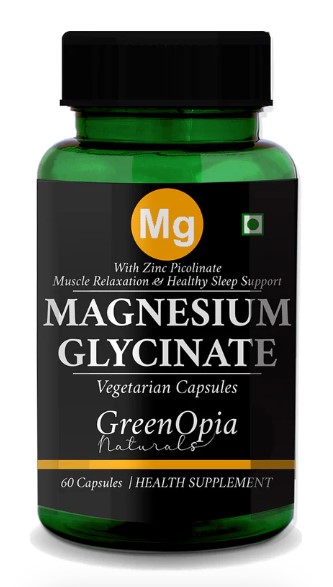
Overview
In order to support their extreme physical demands, athletes must maintain adequate nutrition. They are always pushing their bodies to perform at their best. Zinc and magnesium stand out among the several minerals crucial to sports health because they are vital for energy production, muscular function, and recuperation. This article explains the importance of zinc and magnesium for athletes, how they affect physical performance, and the main characteristics that make them an essential part of any athlete’s diet.
Zinc’s Function in Sports Performance
Zinc is a trace mineral that is involved in several enzymatic processes that affect metabolism, immunological response, and muscle regeneration. Zinc helps athletes build muscle and recover from intense exercises by promoting protein synthesis. It also aids in controlling testosterone and other hormones that affect stamina and strength. Zinc also strengthens the immune system, which lowers the chance of infections that could prevent training.
The Effect of Magnesium on Energy and Muscle
Magnesium is an essential mineral that supports more than 300 bodily metabolic functions. Its function in muscle contraction and relaxation is especially crucial for sportsmen. By controlling the calcium and potassium balance inside muscle cells, magnesium aids avoid cramps and muscle spasms. By taking part in ATP synthesis, the energy currency that powers every movement throughout practice and competition, it also plays a significant part in energy generation.
How Magnesium and Zinc Aid in Healing
Following vigourous exercise, the body needs time and nourishment to heal injured tissues and refuel energy reserves. Magnesium and zinc both help lower oxidative stress and inflammation brought on by exercise. Magnesium stabilises muscular membranes and lessens exhaustion, while zinc boosts antioxidant enzymes that shield cells. When combined, these minerals hasten recuperation, allowing athletes to train more efficiently and regularly.
Sources of Magnesium and Zinc for Sportsmen
A balanced diet can provide athletes with sufficient quantities of magnesium and zinc. Nuts, legumes, seeds, meat, and shellfish are foods high in zinc. Leafy green vegetables, whole grains, nuts, and seeds are rich sources of magnesium. Supplementation may be required in certain situations, particularly for athletes who have dietary limitations or strong physical demands. Finding the proper intake might be aided by speaking with a nutritionist.
Energy Production: Magnesium directly contributes to the synthesis of ATP, which powers physical activity.
Immune Health: Zinc strengthens the body’s defences against disease when training.
Recovery: After exercise, zinc and magnesium help to lower oxidative stress and inflammation.
Hormonal Balance: Zinc controls hormones that are essential for good sports performance.
Common Risks and Deficiencies
Athletes may be susceptible to zinc and magnesium deficits, particularly endurance athletes and those following limited diets. Muscle cramps, exhaustion, weakened immunity, and slowed recuperation are some of the symptoms. Performance setbacks can be avoided by addressing these deficiencies early on with diet or supplementation.
In conclusion
It is impossible to overestimate the significance of minerals like magnesium and zinc in the realm of athletic performance. An athlete’s success is influenced by these vital nutrients, which also promote muscular function, energy production, recovery, and general health. For any athlete hoping to reach their full potential and preserve long-term physical health, making sure they are getting enough zinc and magnesium through a balanced diet or supplements is essential.