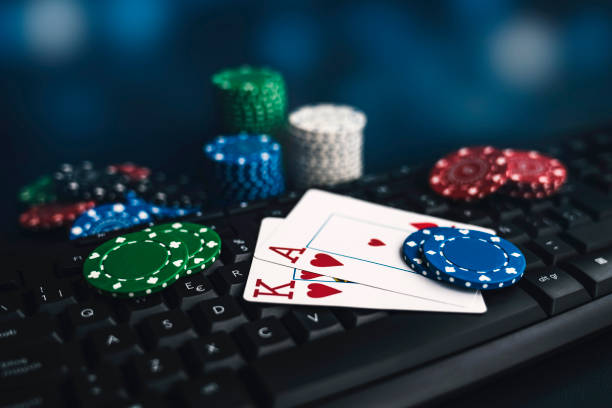
Nobody sets out to overspend on games. It happens in tiny steps: a small top-up here, a cheap bundle there, a payment that felt like nothing at the time. Add them up at the end of the month and the total can be a shock. Anyone looking into in 101 or any other app that involves payments will benefit from a clear, simple budget made before the first transaction.
Why Small Amounts Slip Through
Digital payments feel weightless. There is no cash leaving your hand, only a tap and a notification. That makes small amounts easy to forget, and the pattern repeats until it becomes a habit. Apps know this and often present purchases as low-cost steps. Awareness is your best defence, and a simple record beats any amount of good intentions.
Decide Your Entertainment Amount
Look at your monthly income and fixed costs such as rent, food, transport, fees and savings. Whatever remains is your flexible money, and only a part of that should go to entertainment overall, including films, outings and subscriptions. Choose a small share for gaming and treat it as final. If the number feels uncomfortable, make it smaller. It is better to start low and raise it than the opposite.
Use a Separate Pot
Keep gaming money in a different wallet or account from your main funds. Top it up once a month with your chosen amount and use nothing else. When it is empty, you are finished until next month. This simple separation prevents a bad evening from touching your bills and removes the need for constant mental arithmetic.
Track Every Payment
Write down each payment as soon as it happens, using a notes app or a basic spreadsheet. Record the date, the amount and the reason. After a few weeks you will see patterns, such as spending after a stressful day or on weekends. Patterns are useful because they tell you when you are most vulnerable, and that is exactly when to put the phone down.
Turn On Alerts and Limits
Ask your bank to send an alert for each transaction. Lower your daily payment limit to something sensible. If your payment app lets you restrict who you can pay, use it. Remove saved cards from apps, so each payment needs a deliberate step. Small barriers prevent impulsive purchases without taking any joy from the activity.
Never Borrow to Play
Borrowing money for entertainment, whether from friends, apps or credit cards, is a warning sign. It turns a pastime into a debt, and debt adds pressure that makes poor decisions more likely. If you find yourself tempted, stop for the day and talk with someone you trust. Money set aside for rent, food, fees or medicine is never available for play.
Check the Legal Picture
If a platform involves real money, make sure it is lawful in your state and that you meet the minimum age. Rules vary widely and change over time. Keep records of deposits and withdrawals, since certain winnings may be taxable. Under-18s should only use free activities, and parents should lock payment methods on shared devices.
Review Once a Month
On the last day of each month, add up your gaming payments and compare them with your limit. If you stayed under, enjoy it. If you went over, work out why and adjust. Ask whether the spending gave you enjoyment that matched its cost. Honest answers help you decide whether to continue, reduce or stop.
Know the Warning Signs
Hiding payments, lying about amounts, chasing losses and feeling anxious when you cannot play are all signs that things are slipping. If you recognise them, take a break and reach out to a friend, a counsellor or a local helpline. Early support is far easier than late rescue.
Setting Up a Simple Spreadsheet
A basic table with four columns is enough: date, amount, purpose and mood. The mood column sounds odd, but it reveals a lot. You may find that most spending happens when you feel bored or stressed. Once you see that, you can plan alternatives. Anyone considering in 101 or a similar platform will benefit from knowing their emotional triggers before money enters the picture.
Compare With Other Pleasures
Place your gaming spend next to other entertainment costs, such as films, meals out or books. Ask honestly which gave the most enjoyment per rupee. Sometimes gaming wins, and sometimes it does not. The comparison is not about shame. It simply helps you choose consciously where your fun money goes.
Plan for Surprises
Life throws unexpected costs at everyone: a repair, a medical bill, a family event. Keep a small emergency fund separate from your entertainment pot, and never raid it for play. Knowing that you are covered makes it easier to enjoy your hobby without worry, and easier to walk away when the budget runs out.
Review Your Subscriptions
While you are tracking spending, look at recurring payments too. Old subscriptions for apps, games and services quietly drain money every month. Go through your bank statement and cancel anything you no longer use. Many people find a few hundred rupees a month hiding there, which is better spent on something you actually enjoy.
Final Thoughts
A budget does not remove the fun. It protects it. Decide a modest amount, separate it from your real money, track every payment and review monthly. Whatever you choose to do with in 101 or any other platform, those few habits will keep your spending small, visible and entirely under your control.