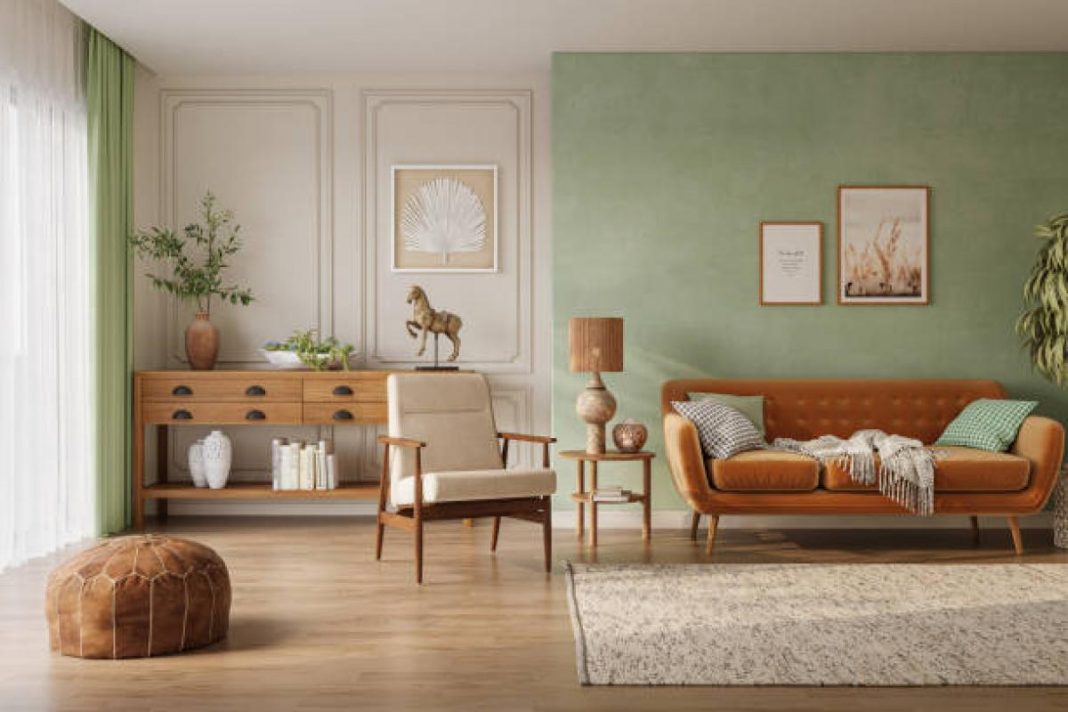
It is where families gather, guests are welcomed, and everyday moments unfold. Because this space serves multiple purposes, its design should feel inviting, comfortable, and reflective of personal style. Thoughtful living room painting ideas can completely change the mood of the space without requiring a full renovation.
One of the most popular approaches for living rooms is using warm neutral tones. Soft beige, creamy white, and light gray shades create a welcoming atmosphere that feels both timeless and flexible. These colors work well with a wide range of furniture styles and decorative accents. Neutral walls also allow artwork, textiles, and statement pieces to stand out without overwhelming the room.
For homeowners who want more character, accent walls offer an effective solution. A single wall painted in a deeper tone such as navy, forest green, or charcoal can add depth and visual interest. Accent walls work particularly well behind a sofa, fireplace, or entertainment center. Professional painters ensure clean edges and balanced color placement so the design looks intentional rather than random.
Another popular option among living room painting ideas is using soft earthy tones. Muted greens, warm taupe shades, and gentle terracotta colors create a cozy and grounded feel. These hues connect indoor spaces with natural elements, promoting relaxation and comfort. When paired with wood furniture or natural fabrics, earthy tones enhance the overall harmony of the room.
Lighting plays a crucial role in selecting the right paint color. Natural light can make a color appear brighter and cooler, while artificial lighting may bring out warmer undertones. Before finalizing a shade, it is important to evaluate how the room looks at different times of day. Professional guidance can help homeowners avoid surprises and select colors that remain appealing under various lighting conditions.
Ceiling color is another often overlooked element. While white ceilings are traditional, slightly tinted shades can create a softer transition between walls and overhead space. In rooms with high ceilings, a subtle color can make the space feel more intimate. Thoughtful coordination between wall and ceiling colors contributes to a balanced and polished result.
Texture and finish also matter in living room painting projects. Matte finishes can create a sophisticated and modern look, while satin finishes offer a slight sheen that is easier to clean. Choosing the right finish ensures that walls not only look attractive but also withstand everyday use. Professional painters understand how to apply each finish smoothly for a consistent appearance.
For larger living rooms, color zoning can help define different areas. Slight variations in tone can separate seating areas from reading corners or open dining spaces. This approach maintains visual continuity while subtly organizing the layout. Careful planning ensures that these transitions feel seamless and coordinated.
Homeowners seeking a bright and airy atmosphere may choose soft pastel shades. Light blues, pale blush tones, or gentle lavender can introduce personality without overwhelming the room. When paired with neutral furnishings, these colors create a fresh and uplifting environment.
Living room painting ideas should reflect both style and function. Since this space often experiences regular activity, selecting durable paint products is essential. Quality materials and proper preparation help maintain a clean and vibrant look over time.
A well painted living room sets the tone for the entire home. Whether aiming for cozy, elegant, modern, or relaxed, the right color choices make a meaningful difference. With thoughtful planning and professional application, the living room can become a space that feels inviting, balanced, and uniquely personal.