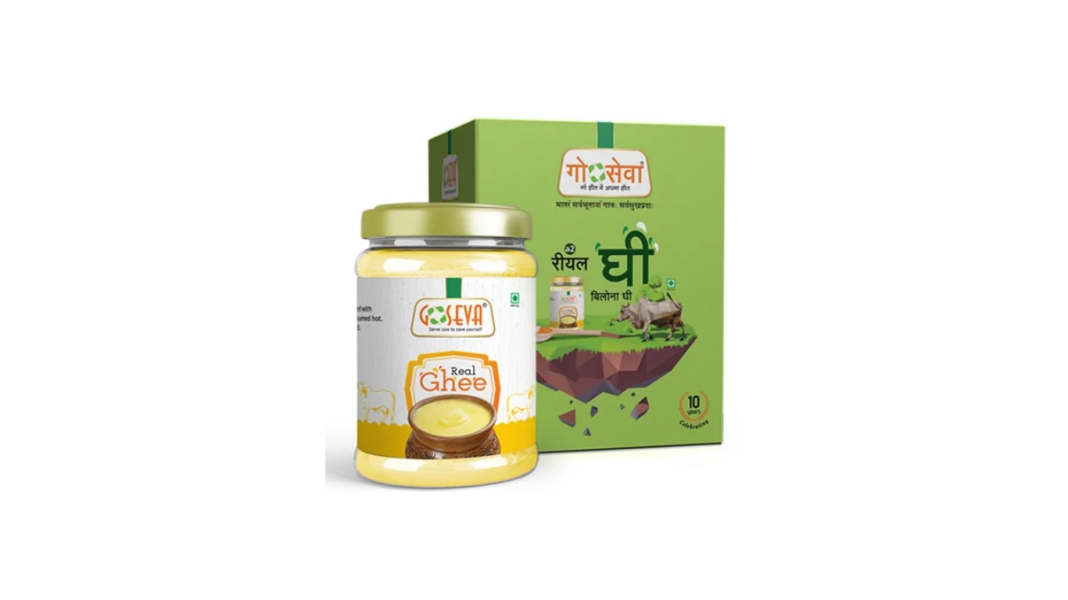
So, if you haven’t noticed, the internet has gone mildly crazy about a2 cow ghee lately. People aren’t just talking about it, they’re straight-up posting videos of it on Instagram, TikTok, and even in those small WhatsApp groups where everyone suddenly thinks they’re a nutritionist. Honestly, it’s like butter, but make it “health influencer-approved.”
I tried it myself recently from this page — because, yeah, curiosity got the better of me — and honestly, the aroma hits differently. It’s richer, nuttier, and somehow feels like it belongs in grandma’s kitchen instead of the weirdly sterile shelves of modern supermarkets.
Why People Are Ditching Regular Ghee
Here’s the deal: not all ghee is created equal. Most store-bought ghee is from cows producing A1 milk, which, for reasons I won’t get too science-y about, can be a bit harder on digestion for some people. A2 milk, and by extension a2 cow ghee, comes from cows like the Gir breed, which have been around for centuries in India. People claim it’s gentler on the stomach and better for immunity — which, frankly, sounds like marketing until you actually feel the difference.
Personally, I noticed less of that heavy, “oh I just ate an entire butter brick” feeling after breakfast when I swapped my usual ghee for A2. It’s subtle, but in a world full of weird stomach issues, subtle is nice.
How It Fits Into Modern Life
Here’s a funny thing: ghee sounds old-fashioned, right? Like something your grandmother would insist on adding to literally everything. But A2 ghee has this quiet renaissance happening. People are drizzling it on avocado toast, mixing it into smoothies, even using it in pre-workout oats. And yes, some nutrition TikTokers are going wild over it, calling it “liquid gold” (dramatic, but okay).
It’s not just about health though. There’s a little luxury factor. Pulling out a jar of a2 cow ghee on a lazy Sunday morning feels like you’re doing something wholesome for yourself. It’s self-care that smells like roasted nuts and old-timey kitchens.
The Science That’s Actually Interesting
Without turning this into a biology lecture, A2 ghee is mostly about beta-casein proteins. A1 proteins can cause bloating or mild digestive discomfort in some people. A2 is supposedly easier to digest and better for gut health. Now, I’m not saying this will magically fix every problem, but I’ve noticed a few friends swapping to A2 ghee and swearing by their “less gassy mornings.”
Also, fun niche stat I stumbled on: India has one of the highest rates of lactose sensitivity in adults, but A2 milk and ghee tend to be tolerated way better. Makes sense why this is suddenly trending online. People like things they can actually eat without paying for it later… literally in stomach pain.
How to Actually Use It Without Feeling Like a Grandma
I tried all sorts of combos. A spoon in my dal, a bit on toast, even melted over popcorn (don’t judge, it’s good). You don’t need to go overboard. The thing is, a little A2 ghee goes a long way — flavor-wise and for that feeling of “I am doing something right for my body.”
If you want to grab some and join the trend without wandering around stores wondering what to pick, check out this link. I promise the jar looks fancy enough for Instagram, but it’s also practical. You don’t have to be a chef or a nutrition nerd to enjoy it.
A Small Reality Check
Look, A2 ghee isn’t a miracle cure. I won’t pretend it will turn you into a superhero overnight. But if you’re like me, someone who enjoys small wins in the kitchen and appreciates a subtle upgrade to everyday food, it’s worth a try. Plus, the story behind Gir cows and traditional Indian dairy farming is actually pretty cool — it’s like supporting something authentic rather than industrialized churned stuff.