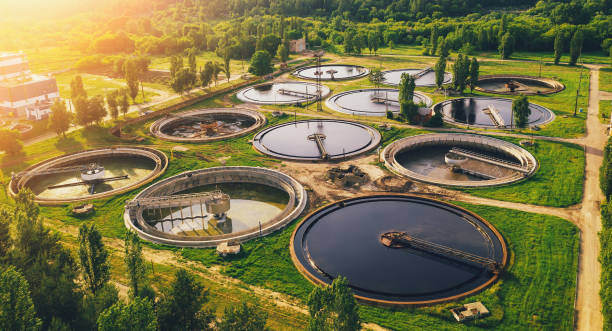
modern sewage treatment plant assume a critical part in defending general wellbeing and the climate. These offices are intended to deal with wastewater from homes, enterprises, and organizations, eliminating hurtful impurities before the water is gotten back to streams, lakes, or the sea. While these plants contribute essentially to natural insurance, their activities accompany both positive and adverse consequences on the climate.
The Job of a Cutting edge Sewage Treatment Plant
A cutting edge sewage treatment plant normally works in three phases: essential, optional, and tertiary treatment. In the essential stage, enormous solids are eliminated through actual cycles like screening and sedimentation. The auxiliary stage includes natural treatment, where microorganisms separate natural toxins. The tertiary stage further cleans the water, frequently utilizing synthetic treatments to eliminate any excess foreign substances like supplements or microbes.
This cycle guarantees that the treated water satisfies severe administrative guidelines prior to being released into regular waterways. Thusly, present day sewage treatment plants assist with forestalling the spread of waterborne sicknesses and safeguard environments from hurtful poisons.
Positive Natural Effects
Decrease in Water Contamination
One of the main advantages of a cutting edge sewage treatment plant is the decrease of water contamination. Without treatment, crude sewage can pollute water sources, prompting hurtful algal blossoms, oxygen consumption, and the obliteration of sea-going living spaces. By eliminating poisons like synthetic compounds, weighty metals, and microbes, sewage treatment plants altogether further develop water quality.
Protection of Environments
By lessening how much untreated sewage entering regular waterways, sewage treatment plants assist with protecting amphibian environments. Cleaner water permits fish, plant life, and other oceanic creatures to flourish. The expulsion of abundance supplements like nitrogen and phosphorus additionally forestalls eutrophication, which can prompt no man’s lands in lakes and seas.
Reusing and Asset Recuperation
Current sewage treatment plants frequently go past cleaning water; they likewise recuperate important assets. Ooze produced during the treatment cycle can be changed over into biogas, a sustainable wellspring of energy. A few offices likewise reuse treated water for use in farming, modern cycles, or scene water system, adding to water protection endeavors.
Negative Natural Effects
Energy Utilization
Sewage treatment plants require critical measures of energy to work, especially in the air circulation process during optional treatment. The energy requests of these plants can add to ozone harming substance emanations assuming the energy is obtained from petroleum derivatives. While certain plants are changing to environmentally friendly power sources, energy utilization stays a test.
Compound Use and Residuals
In the tertiary treatment stage, synthetics, for example, chlorine or UV light are frequently used to clean the water. While these strategies are viable at killing microorganisms, the synthetic compounds can have natural repercussions assuming that they enter the environment. Chlorine, for instance, can be harmful to sea-going life, and residuals from the treatment cycle can some of the time gather in the climate.
Muck Removal
The muck created during sewage treatment contains both natural matter and unsafe materials like weighty metals and drugs. While a portion of this ooze is utilized as manure or changed over into biogas, ill-advised removal can prompt soil and water defilement. Overseeing slime securely and reasonably stays a critical test for sewage treatment plants.
Influence on Nearby Environments
The release of treated water once again into regular water bodies can at times upset neighborhood living spaces. While the treated water fulfills wellbeing guidelines, unexpected changes in water temperature or substance creation can in any case hurt fragile biological systems, especially in regions where treated water makes up a huge piece of the stream.
End
Present day sewage treatment plants are an indispensable piece of metropolitan framework, offering fundamental types of assistance to safeguard human wellbeing and the climate. Nonetheless, their activities should be painstakingly figured out how to limit their ecological effect. By lessening water contamination, reusing assets, and safeguarding environments, sewage treatment plants add to a cleaner, better world. Simultaneously, difficulties like energy utilization, substance use, and slop removal require proceeded with development and speculation to guarantee that the advantages of present day sewage treatment are expanded while limiting damage to the climate.