

Sewage treatment plants (STPs) assume a urgent part in keeping up with general wellbeing and ecological manageability in metropolitan regions. As urban communities proceed to develop and populaces increment, the interest for productive waste administration frameworks escalates. Sewage treatment plant are at the core of overseeing wastewater, guaranteeing that the water we discard is appropriately treated prior to being delivered once more into the climate.
What is a Sewage Treatment Plant?
A sewage treatment plant is an office intended to treat and refine wastewater that comes from private, modern, and business sources. These plants utilize an assortment of mechanical, natural, and substance cycles to eliminate impurities, like solids, natural matter, microbes, and hurtful synthetics, from wastewater. When treated, the water can be securely released into streams, lakes, or seas, or it might try and be reused for non-consumable purposes like water system or modern cycles.
The Significance of Sewage Treatment Plants in Metropolitan Regions
General Wellbeing Assurance
One of the essential jobs of a sewage treatment plant is to forestall the spread of illnesses brought about by defiled water. Untreated sewage contains hurtful microorganisms, like microscopic organisms and infections, that can prompt waterborne sicknesses like cholera, typhoid, and looseness of the bowels. By guaranteeing that sewage is appropriately treated, STPs assist with decreasing the gamble of sickness, safeguarding metropolitan populaces.
Ecological Safeguarding
Sewage treatment plants keep contaminations from entering regular water sources, which can prompt eutrophication, a cycle where overabundance supplements in water bodies cause exorbitant green growth development, draining oxygen levels and hurting sea-going life. By eliminating hurtful substances, sewage treatment plants assist with keeping up with the environmental equilibrium of waterways, lakes, and seaside waters.
Proficient Water Reusing
In locales where water shortage is a worry, sewage treatment plants add to water preservation by reusing treated wastewater. This can be reused for agrarian, modern, or finishing purposes, lessening the interest on freshwater assets. High level treatment advancements even consider the development of top notch water that can be utilized at times for consumable purposes.
Supporting Metropolitan Development and Improvement
As urban communities grow, the volume of wastewater created increments. Sewage treatment plants are basic to supporting metropolitan development by dealing with the rising interest for squander treatment. Without these offices, the untreated sewage could prompt contamination, natural debasement, and risky day to day environments in metropolitan regions.
Energy Age
Current sewage treatment plants additionally can possibly create energy. By catching methane gas created during the treatment cycle, a few plants use it to control their tasks or feed it into the neighborhood energy framework. This cycle decreases the general carbon impression of sewage treatment and adds to a more manageable metropolitan foundation.
Challenges Looked by Sewage Treatment Plants
While sewage treatment plants are fundamental to metropolitan foundation, they face a few difficulties:
Maturing Foundation: Numerous urban communities have obsolete treatment plants that are battling to adapt to expanding volumes of wastewater because of urbanization.
Monetary Limitations: The development, activity, and support of sewage treatment plants require huge speculation, which can be difficult for districts, particularly in creating locales.
Ecological Worries: Albeit current plants are significantly more proficient, inappropriate removal of treated muck or inadvertent breaks can in any case present natural dangers.
Adjusting to Environmental Change: Outrageous weather patterns, like weighty precipitation and flooding, can overpower sewage treatment plants and lead to the arrival of untreated sewage into the climate.
End
Sewage treatment plants are essential to the working of metropolitan foundation. They defend general wellbeing, safeguard the climate, and add to the practical administration of water assets. As urban areas keep on developing, putting resources into the turn of events, updating, and support of these plants is essential to guaranteeing perfect, safe water for people in the future. The job of sewage treatment plants in metropolitan framework is a higher priority than any time in recent memory as they assist with tending to the difficulties of fast urbanization, ecological preservation, and asset maintainability.

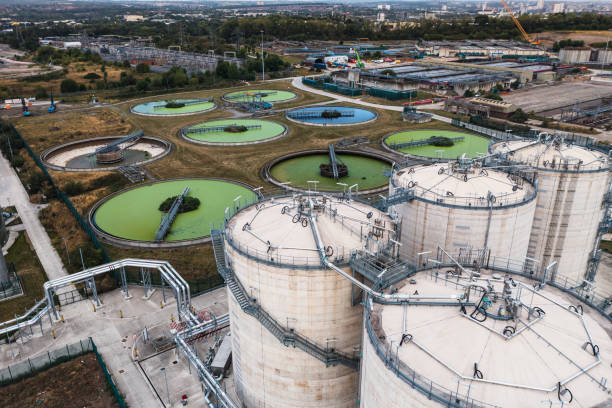
 assume a urgent part in keeping up with general wellbeing and ecological manageability in metropolitan regions.)